LOC13:19
10:19 GMT
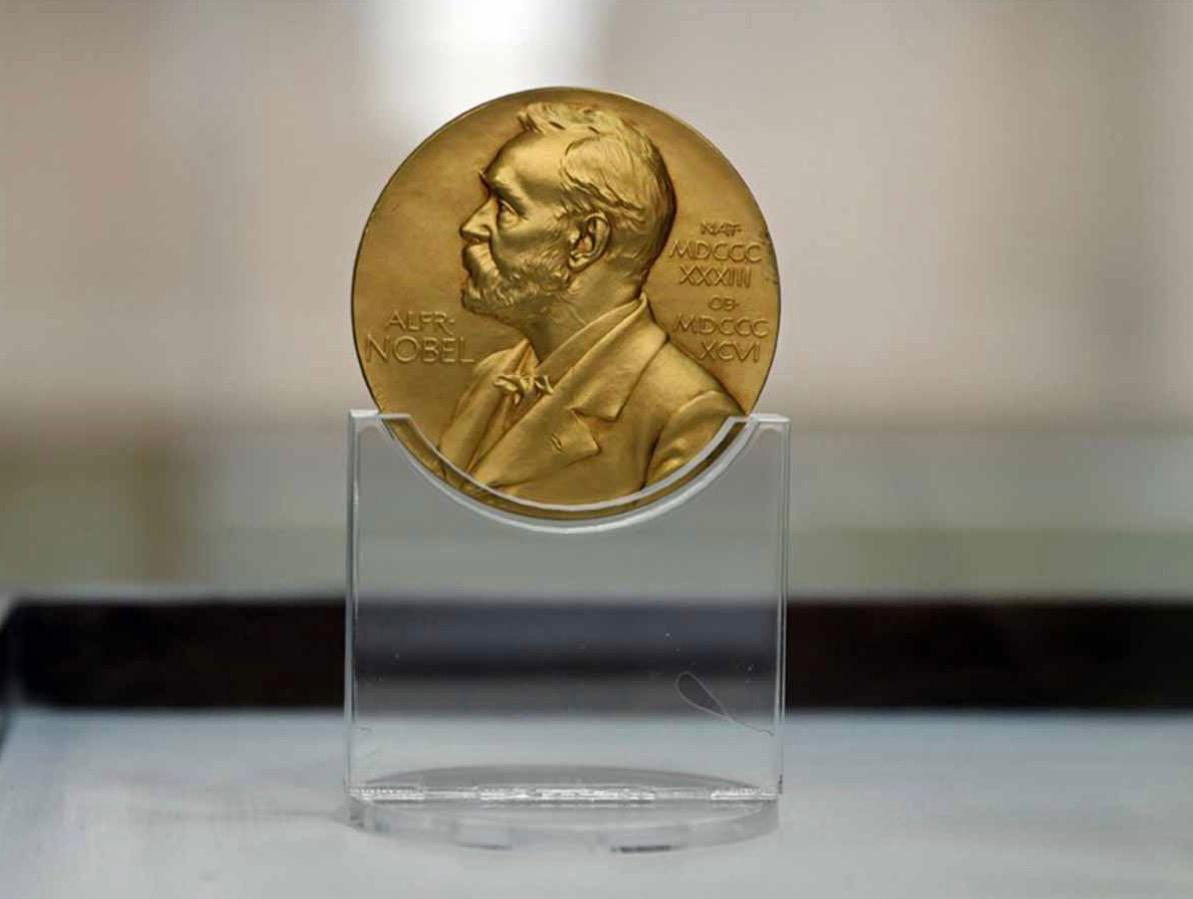 The Nobel Prize
KUWAIT, Jan 30 (KUNA) -- The Nobel Prize stands as the world's most prominent global beacon sought by innovators, scholars and reformers across the globe, having become an unparalleled symbol of scientific and humanitarian excellence.
The journey of the prize began with an extraordinary vision by Swedish inventor and industrialist Alfred Nobel, who drafted his will in Paris in 1895, allocating the vast proceeds of his fortune to reward achievements that contribute to the advancement and benefit of humanity.
This vision came into practical effect in 1901, when the Nobel Prizes were first officially awarded in five fields: Physics, Chemistry, Medicine, Literature and Peace.
This tradition continued unchanged until 1968, when the prize expanded to include Economic Sciences, following an initiative by Sweden's central bank, which allocated an annual sum to the Nobel Foundation to support the new category.
Every year on December 10, global attention turns to the Norwegian capital, Oslo and the Swedish capital, Stockholm, where Nobel Prizes are awarded by specialized institutions according to each discipline. Each laureate receives a gold medal, a diploma and a cash award, which reached 11 million Swedish kronor last year, equivalent to approximately USD 1.2 million.
Throughout its history, the Nobel Prize has honored more than 1,000 winners, including individuals, groups and institutions, across its six categories.
Since its inception, more than 627 prizes have been awarded, underscoring the enduring legacy of Alfred Nobel's vision and the prize's continued role in celebrating contributions that shape the future of humanity. (end)
star.aa