LOC14:51
11:51 GMT
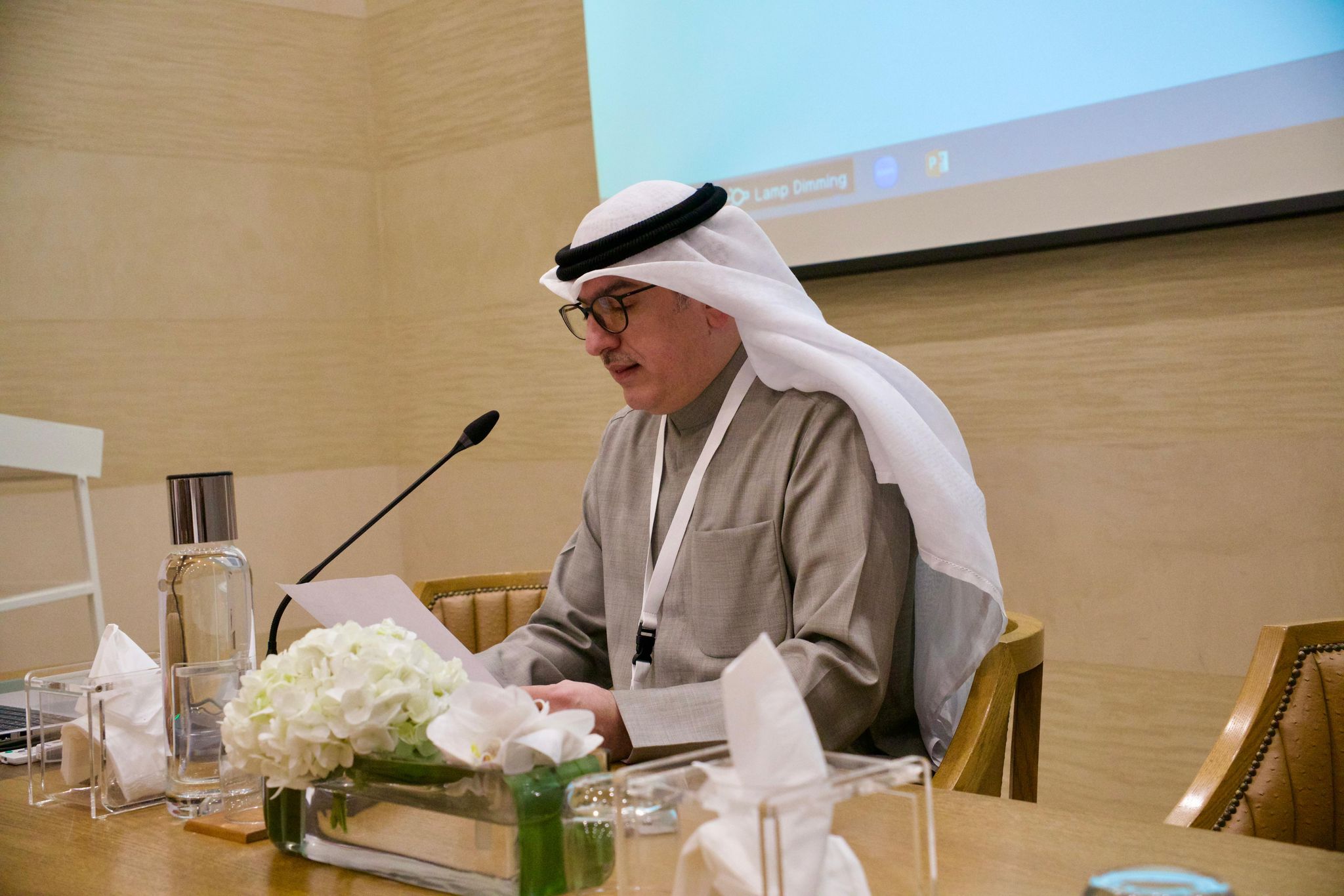 Cultural Official: Gulf antiquities prove region's ancient roots
By Kholoud Al-Enezi
MANAMA, Jan 7 (KUNA) -- Acting Assistant Secretary General for Antiquities and Museums at Kuwait's National Council for Culture, Arts and Letters (NCCAL) Mohammad bin Redha said that Gulf antiquities are a living proof of the region's deep human civilization and a cornerstone of national identity and cultural dialogue with the world.
This came in a statement for KUNA, as head of NCCAL's delegation to a scientific symposium on Gulf Arab antiquities in Manama, organized by Bahrain's Authority for Culture and Antiquities.
Bin Redha said that the symposium's sessions concluded on Wednesday providing a vital platform to exchange expertise and highlighting the development of archaeological work in Gulf Cooperation Council (GCC) countries.
The discussions reflected major progress in discoveries and excavations, regional and international cooperation, and digital transformation, including the use of modern technologies in research, preservation, and documentation, he said.
Bin Redha pointed out that Kuwait's participation reflects its commitment to supporting joint Gulf archaeological work and promoting national expertise at advanced scientific forums.
He noted Kuwait took part with expert researchers, including former Head of NCCAL's Antiquities and Museums Department Dr. Sultan Mutlaq Al-Duwaish, who presented a paper on Ubaid civilization remains at the Subiya site during the Neolithic period, and Kuwait University (KU) Anthropology Professor and NCCAL Adviser Dr. Hasan Ashkanani, who presented a paper on using radiometric analysis techniques to study pre-Dilmun pottery.
The symposium issued recommendations to strengthen joint archaeological research among Gulf states, expand the use of modern technology and digitization in documentation and study, develop sustainable plans to manage and protect archaeological sites, support public awareness and dedicated research, and build national capacity through ongoing training, he explained.
The symposium was recommended to continue as a regular scientific platform to follow-up on discoveries and recommendations, he added.
Bin Redha underlined the importance of holding such expert scientific meetings to protect Gulf archaeological heritage, enhance research cooperation, and share expertise, helping preserve this legacy for future generations. (end)
kna.lr