LOC17:28
14:28 GMT
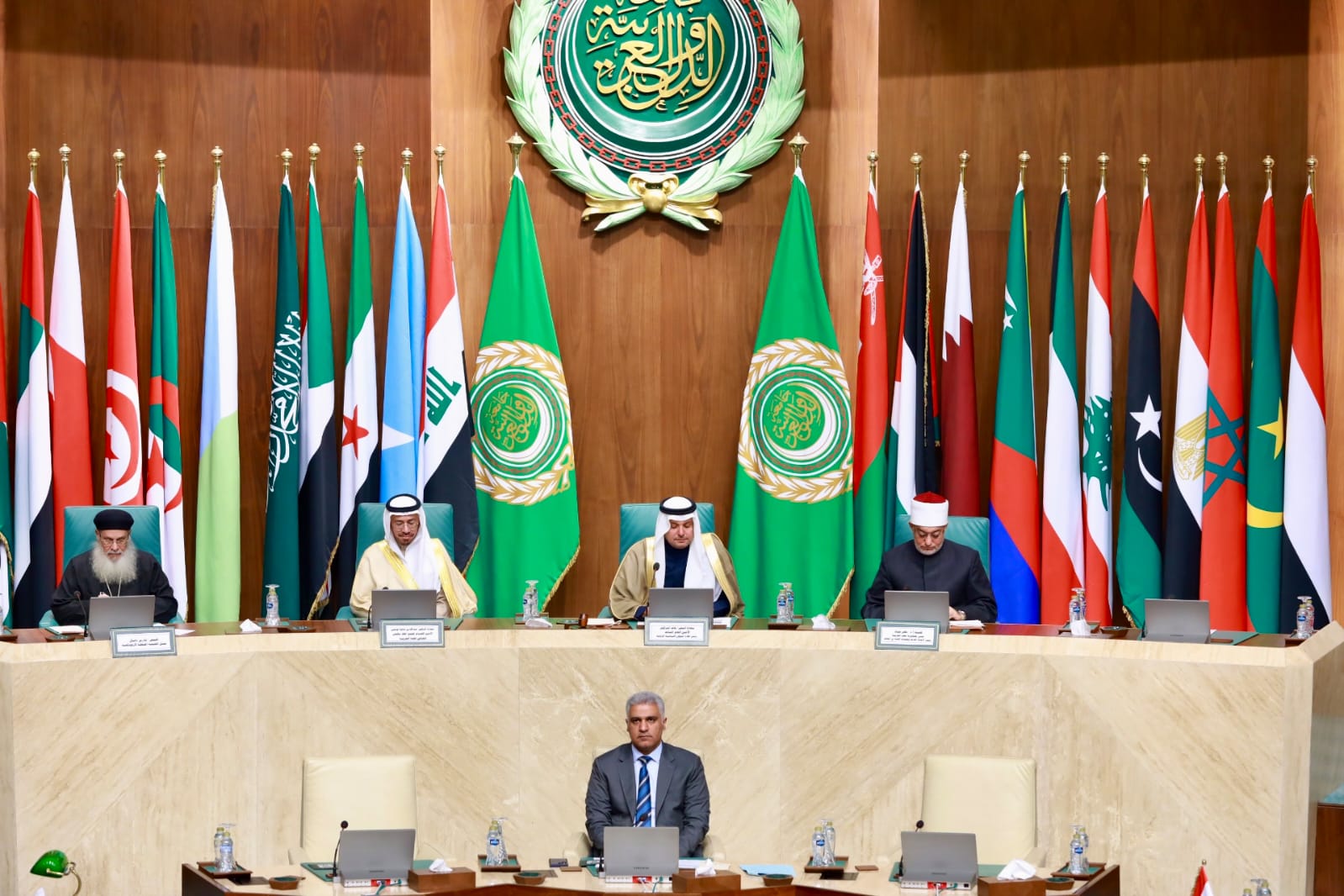 Assistant Secretary General and Head of International Political Affairs Sector of the Arab League, Ambassador Dr. Khaled Manzalawi and Secretary General of KSGAAL Dr. Abdullah Al-Washmi
CAIRO, Dec 18 (KUNA) -- The League of Arab States, in cooperation with the King Salman Global Academy for Arabic Language (KSGAAL), launched an initiative on Thursday to teach Arabic to non-native speakers, aiming to expand the language's reach and strengthen its international presence.
The initiative was launched during a ceremony at the League's headquarters titled "Teaching Arabic to Non-Native Speakers: Context and Achievements," held on the anniversary of the United Nations General Assembly (UNGA) Resolution 3190, recognizing Arabic as an official global language.
Speaking on behalf of the Arab League's Secretary General Ahmad Aboul Gheit, Assistant Secretary General and Head of International Political Affairs Sector of the Arab League, Ambassador Dr. Khaled Manzalawi said UN Arabic Language Day is not merely ceremonial, but a moment to renew commitment to a language that has absorbed past sciences, kept pace with modern knowledge, and expressed the finest human emotions.
He described Arabic as a unifying civilizational force that reflects coexistence, including between Islamic and Christian institutions, and underlined that teaching Arabic to non-native speakers is essential to its future and global standing.
He also highlighted the strategic partnership with KSGAAL to present Arabic in modern ways aligned with digital transformation and artificial intelligence (AI), calling Arabic a key tool of Arab soft power and a safeguard of identity.
Meanwhile, Secretary General of KSGAAL Dr. Abdullah Al-Washmi said Arabic is a living, resilient language capable of keeping pace with cultural and knowledge shifts, adding that the future of languages depends on their ability to integrate into computing and AI.
The event reflects close cooperation between the Academy and the League as part of Saudi Arabia's efforts to support and spread Arabic worldwide through educational and digital programs, he explained.
He noted that the Academy has implemented Arabic teaching programs in more than 60 countries, urging a shift "from complaint to action and initiatives," and said holding the ceremony at the League's headquarters underscores its role as the "house of Arabs and Arabism."
The event also featured Al-Azhar University students from non-Arabic speaking countries, highlighting Arabic's flexibility and ability to cross borders.
It concluded with presentations on leading Arab initiatives -- especially those of the KSGAAL -- followed by an academic session discussing the current state and future of Arabic, mapping Arabic teaching in international universities and centers, identifying challenges facing non-native learners and ways to confront them, and examining how AI and digital transformation can support Arabic learning and wider dissemination.
Kuwait's Permanent Representative to the League, Ambassador Talal Al-Mutairi, attended along with representatives of member states, religious and cultural figures including Egypt's Grand Mufti Dr. Nazir Ayyad, Al-Azhar scholars, and foreign ambassadors and diplomatic missions. (end)
mm.lr