التاريخ : 07/01/2026
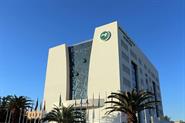
TUNIS, Jan 7 (KUNA) -- The Arab League Educational, Cultural and Scientific Organization (ALECSO) on Wednesday called for the adoption of an "Arab Smart Learning Strategy" aimed at raising collective and individual awareness in Arab countries of the dangers of illiteracy, strengthening adult education and lifelong learning, and integrating artificial intelligence to achieve these goals.
In a statement marking Arab Literacy Day, observed annually on January 8, ALECSO said that the risks and challenges of illiteracy remain persistent despite the efforts exerted by governments, institutions, organizations, and individuals, noting that millions of illiterate males and females still exist across Arab countries, accounting for a high percentage of the world's total illiterate population.
ALECSO explained that it chose this year's theme, "From Alphabet to Digital: The Artificial Intelligence Revolution in the Service of Arab Knowledge," in line with its intellectual approach, calling for renewing literacy mechanisms in Arab states by leveraging the outcomes of the technological revolution.
The organization described the occasion as an opportunity to deepen discussion on practical and radical solutions to the underlying causes hindering the eradication of illiteracy, foremost among them poverty, weak educational infrastructure, limited access to quality education, and geographic distance from educational institutions.
The statement stressed the importance of adopting virtual education and AI-supported digital platforms capable of delivering personalized educational content tailored to learners' abilities, comprehension speed, and needs. It also highlighted the use of local dialects to simplify concepts, alongside intelligent diagnostic tools based on data analysis algorithms to identify groups most vulnerable to school dropout and enable early intervention to prevent illiteracy at its source.
ALECSO further emphasized the need to integrate game-based learning applications into literacy programs to encourage adults to pursue continuous learning via smartphones, and to strengthen Arab cooperation in this field as the best guarantee for transforming the "digital divide" into a "knowledge bridge" toward the future.
It noted that reading and writing represent the starting point, artificial intelligence serves as a modern methodological tool, and sustainable Arab development remains the ultimate objective.
The organization pointed out that reports by UNESCO and national statistical authorities indicate that countries that adopted distance learning platforms during and after the COVID-19 pandemic recorded faster reductions in illiteracy rates, particularly among youth aged 15 to 24.
ALECSO added that Arab countries, within the framework of the Second Arab Decade for the Eradication of Illiteracy (2025-2034), are working to reduce the overall illiteracy rate to less than five percent by 2030.
It stressed that achieving this goal now depends on the responsible use of artificial intelligence, which has become a new key driver of learning. (end)
sbm.aa